

The Venus fly trap plant is one of the most fascinating plants in the world. Known scientifically as Dionaea muscipula, this carnivorous plant captures insects using specialized trap leaves that snap shut in less than a second. Many plant enthusiasts are curious about how big do venus fly trap plants get, especially when growing them at home or in a garden.
At first glance, a Venus fly trap might look small and delicate. However, these plants are surprisingly resilient and capable of growing larger than most people expect when they are cared for properly. Their unique feeding habits and dramatic trapping mechanism make them a favorite among beginner and experienced plant collectors alike.
Another reason people are curious about their size is that the plant looks different depending on how it is grown. A Venus fly trap in the wild may look smaller and more compact, while a well cared for plant grown in optimal conditions can grow fuller and produce larger traps.
Understanding the growth potential of this plant helps gardeners manage expectations and provide the right environment. When the conditions are right, the Venus fly trap becomes not just a curiosity but a thriving and eye catching addition to any plant collection.
How Big Do Venus Fly Trap Plants Get in the Wild
If you are wondering how big do venus fly trap plants get, the answer may surprise you. In their natural habitat, Venus fly traps usually grow between 5 to 8 inches tall and can spread about 6 to 10 inches wide. While that might not sound huge, the plant compensates for its size with dramatic traps that capture insects.
Each trap is actually a modified leaf. The traps typically grow between 1 to 1.5 inches long, although some cultivated varieties can produce traps closer to 2 inches in size. These traps are the part of the plant that catches insects, and they play a crucial role in the plant’s survival.
Venus fly traps grow from a small underground bulb like structure called a rhizome. Over time, this rhizome produces new leaves and traps, allowing the plant to slowly expand outward. Mature plants often look fuller because they develop multiple traps at once.
Interestingly, the plant does not grow tall like a typical houseplant. Instead, it grows close to the ground in a rosette shape. This compact growth pattern helps the plant capture insects more effectively since bugs often crawl along the surface.
With proper care, a Venus fly trap can live 20 years or more, slowly increasing in size and producing more traps each growing season.
Factors That Affect the Size of Venus Fly Trap Plants
Many gardeners notice that their Venus fly traps remain small. This usually happens because one or more important growth conditions are missing. Several factors influence how large these carnivorous plants can grow.
Light Exposure
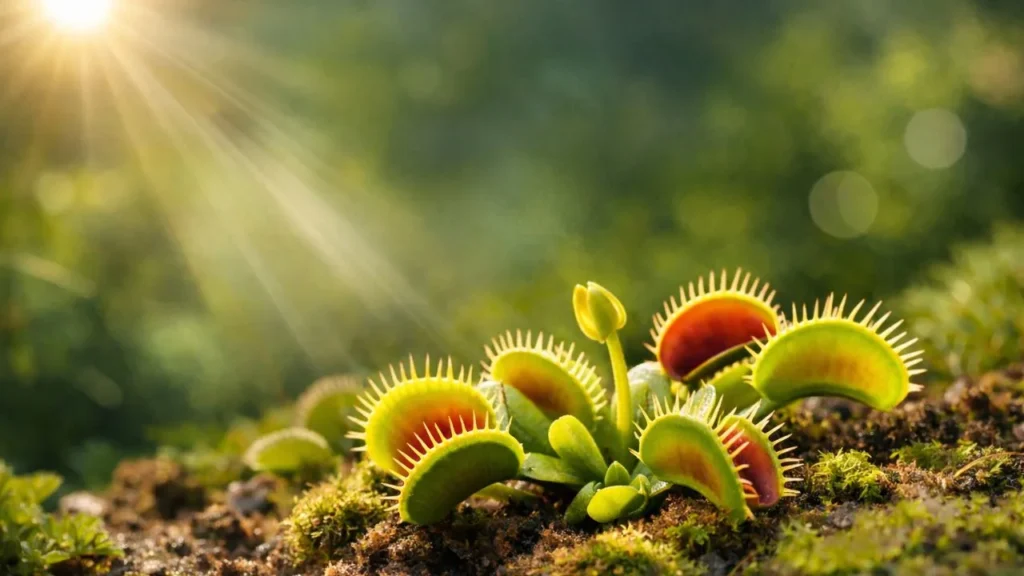
Light is one of the most important factors affecting plant size. Venus fly traps thrive in full sun conditions, ideally receiving 4 to 6 hours of direct sunlight daily. Without enough sunlight, the traps become smaller and weaker, and the plant may appear thin or pale.
Bright sunlight encourages strong trap development and helps the plant produce the energy it needs to grow larger leaves and traps.
Soil Conditions
Unlike most plants, Venus fly traps do not grow well in regular potting soil. They prefer nutrient poor soil that mimics the bog environments where they naturally grow.
The most common soil mixture includes:
- Peat moss
- Perlite or silica sand
This combination keeps the soil moist while preventing harmful minerals from building up around the roots.
Water Quality
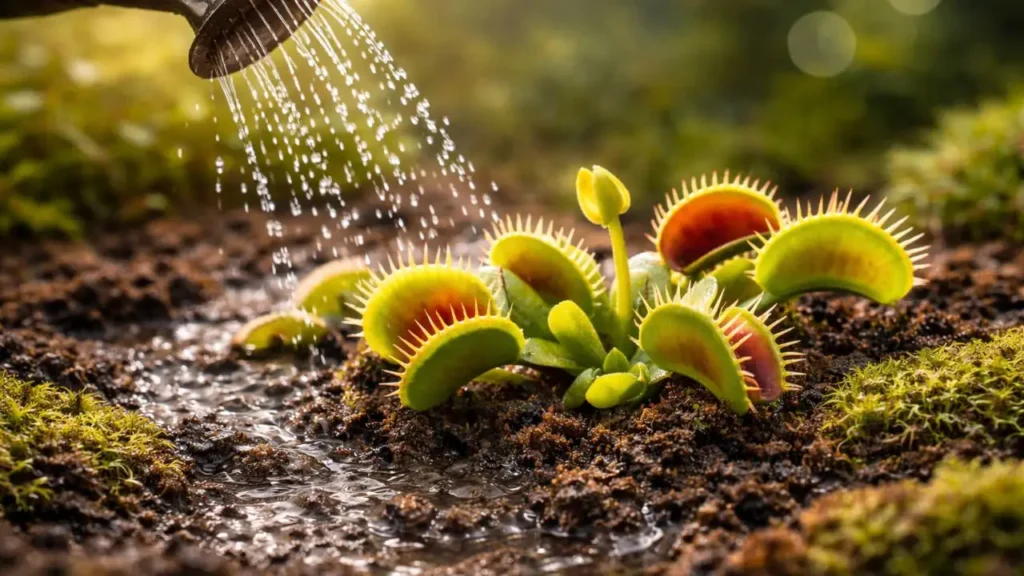
Tap water can harm Venus fly traps because it often contains minerals and chemicals. These plants prefer distilled water, rainwater, or reverse osmosis water.
When watered properly, the plant’s roots stay healthy and continue producing larger leaves and traps.
Seasonal Dormancy
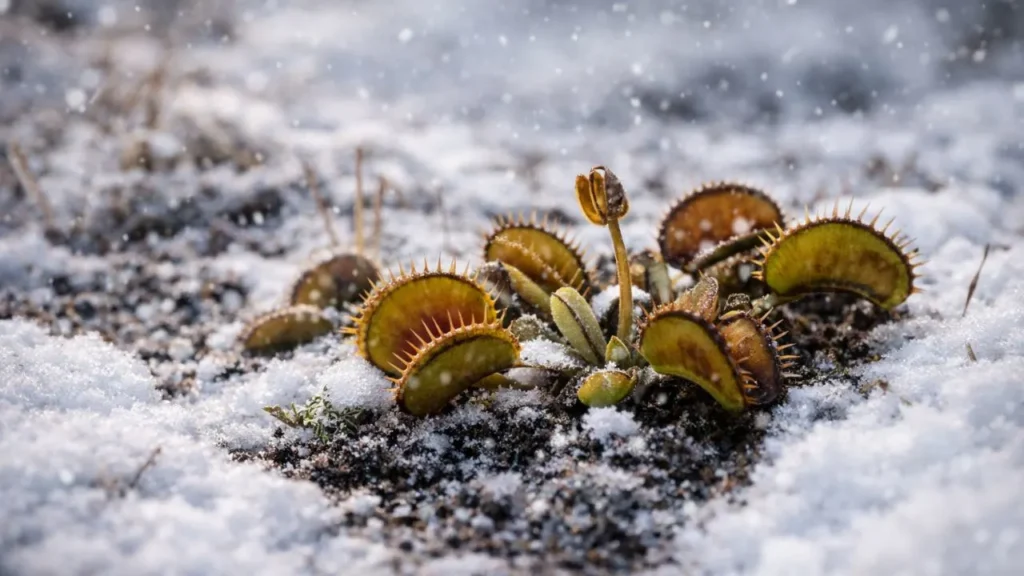
Venus fly traps require a winter dormancy period lasting about 3 to 4 months. During this time, growth slows significantly, and the plant may appear smaller.
Dormancy is essential for long term growth. Plants that never enter dormancy often weaken over time and stop producing large traps.
What Do Venus Fly Trap Plants Eat
One of the most exciting aspects of these plants is their diet. Many people ask what do venus fly trap plants eat, and the answer is surprisingly simple.
Venus fly traps primarily eat small insects and spiders. These insects provide the plant with nutrients like nitrogen and phosphorus that are missing from their natural soil environment.
Common prey includes:
- Flies
- Ants
- Beetles
- Spiders
- Small crawling insects
The trap works through a remarkable mechanism. Each trap contains tiny trigger hairs. When an insect touches these hairs twice within about 20 seconds, the trap snaps shut almost instantly.
Once closed, the plant releases digestive enzymes that break down the insect’s soft tissues. Over several days, the plant absorbs the nutrients and then reopens the trap, leaving behind the insect’s outer shell.
This feeding process allows Venus fly traps to survive in nutrient poor soil where most plants would struggle to grow.
How to Care for a Venus Fly Trap Plant
Proper care is essential if you want your plant to grow to its full potential. Learning how to care for a venus fly trap plant ensures that it stays healthy and continues producing impressive traps.
Proper Lighting and Temperature
Venus fly traps thrive in bright environments. Outdoor sunlight is usually the best option. If growing indoors, a strong grow light may be necessary.
Ideal temperatures range between 70°F and 90°F during the growing season. During winter dormancy, temperatures should drop to around 35°F to 50°F.
Watering and Humidity Requirements
These plants prefer constantly moist soil. Many growers use the tray method, placing the pot in a shallow dish of water so the soil absorbs moisture from below.
This mimics the plant’s natural bog habitat and prevents the roots from drying out.
Humidity also helps the plant grow better, although Venus fly traps are surprisingly adaptable compared to other carnivorous plants.
Potting and Soil Mix
The best potting mix typically includes:
| Soil Component | Purpose |
| Peat Moss | Retains moisture |
| Perlite | Improves drainage |
| Silica Sand | Prevents compaction |
Avoid fertilizers because Venus fly traps obtain nutrients from insects rather than soil.
Where to Buy Venus Fly Trap Plants
If you are interested in growing one, you might wonder where to buy venus fly trap plants. Fortunately, these fascinating plants are widely available.
Many garden centers and plant nurseries carry Venus fly traps during the spring and summer months. These stores often sell healthy starter plants that are already acclimated to indoor or outdoor conditions.
Online plant retailers are another great option. Specialty carnivorous plant nurseries frequently offer unique varieties with larger traps, deeper red coloring, or unusual shapes.
Buying from reputable sellers ensures that the plants are legally propagated rather than harvested from the wild. This is important because Venus fly traps are native to a small region of the United States and are protected in their natural habitat.
Where Can I Buy a Venus Fly Trap Plant Safely
Many beginners also ask where can i buy a venus fly trap plant without risking poor plant quality. The safest option is to purchase plants from licensed nurseries or trusted online stores.
Look for sellers who grow plants through tissue culture or controlled propagation. These plants are typically stronger and adapt better to home growing environments.
When choosing a plant, look for healthy signs such as:
- Bright green leaves
- Firm traps
- Active new growth
Avoid plants with black or shriveled traps, as these may be stressed or unhealthy.
A well chosen plant can grow for many years and even multiply through division.
Common Mistakes That Prevent Venus Fly Traps From Growing Big
Many growers unknowingly limit the growth of their Venus fly traps by making a few common mistakes.
One of the most frequent problems is using regular potting soil. The minerals and nutrients in standard soil can damage the roots and slow growth.
Another mistake is feeding the plant too often. Venus fly traps do not need constant feeding. In fact, excessive feeding can stress the plant and cause traps to die prematurely.
Lack of sunlight is another major issue. Without strong light, the plant cannot produce enough energy to develop large traps.
Skipping winter dormancy is also harmful. Dormancy allows the plant to rest and prepare for vigorous growth during the following spring.
By avoiding these mistakes, growers can help their plants reach their natural size and maintain healthy traps.
FAQs
How big can Venus fly traps grow indoors?
Indoors, Venus fly traps typically reach about 4 to 6 inches wide because indoor light conditions are often weaker than outdoor sunlight.
Do Venus fly traps grow bigger every year?
Yes. As the rhizome grows and divides, the plant produces more traps each year, making the plant appear fuller and slightly larger.
How long does it take for a Venus fly trap to reach full size?
Most Venus fly traps reach mature size in about 3 to 5 years when grown in proper conditions.
Can feeding insects make Venus fly traps grow bigger?
Feeding insects provides nutrients that help the plant grow stronger, but sunlight remains the most important factor for overall growth.
Do Venus fly traps multiply?
Yes. Over time, the rhizome divides and produces new plants, allowing a single Venus fly trap to develop into a small cluster.
Conclusion
So, how big do venus fly trap plants get? In most cases, mature plants grow about 5 to 8 inches tall and 6 to 10 inches wide, with traps reaching around 1 to 2 inches in length. While they may not become large like traditional houseplants, their unique trapping mechanism and dramatic appearance make them one of the most fascinating plants you can grow.
With the right conditions including bright sunlight, nutrient poor soil, distilled water, and a proper dormancy period, Venus fly traps can live for decades and gradually expand into beautiful clusters of traps.
Whether you grow them indoors or outdoors, these remarkable plants offer a rare opportunity to observe nature’s ingenuity up close. Watching a trap snap shut never gets old, and caring for these plants can become a rewarding hobby for any plant enthusiast.

