

A small lounge room layout can feel like solving a puzzle where every piece must fit perfectly. Unlike larger living spaces where furniture placement is flexible, small lounge rooms require careful planning to avoid clutter and cramped layouts. When the room is limited in square footage, every design decision becomes more important. The placement of a sofa, coffee table, or even a lamp can influence how spacious or cramped the room feels.
Many homeowners struggle because they try to replicate layouts designed for larger living rooms. This often leads to overcrowded spaces, blocked walkways, and furniture that simply feels too big for the room. The key to success is understanding that small rooms demand a different approach. Instead of filling the room with many pieces of furniture, the focus should shift toward smarter arrangements and multi-purpose design solutions.
Another challenge is maintaining comfort while maximizing available space. A lounge room should feel welcoming, cozy, and functional. If the layout prevents people from moving comfortably or makes the room visually overwhelming, it loses its purpose. Smart layout planning ensures the room remains both stylish and practical. By learning how to arrange furniture effectively and choosing the right design elements, even the smallest lounge room can feel surprisingly open and inviting.
Why Layout Matters More in Small Living Spaces
In compact homes or apartments, the small lounge room layout determines how usable the room will be. Unlike large living rooms that can accommodate multiple seating zones, smaller spaces must balance comfort and efficiency within a limited area. A well-planned layout ensures the room serves its primary purpose as a place to relax, entertain guests, or spend time with family.
One major reason layout becomes critical is visual perception. A poorly arranged room can make the space appear even smaller than it actually is. For instance, pushing oversized furniture against walls often creates awkward empty areas in the center while making the room feel boxed in. Strategic placement of furniture can change how the eye perceives space, making the room appear larger and more organized.
Another factor is movement and accessibility. Small rooms must maintain clear walking paths to prevent the area from feeling cramped. Designers often recommend leaving at least 30 inches of space for walkways where possible. This ensures people can move around comfortably without constantly bumping into furniture.
Interior designers often emphasize that layout is the backbone of any room design. Once the layout is correct, decorating becomes significantly easier. Color choices, lighting, and accessories naturally complement the arrangement. When the layout is wrong, however, even the most expensive decor cannot fix the problem.
Common Mistakes in Small Lounge Room Design
Many homeowners unintentionally sabotage their small lounge room layout by following design habits that work in larger spaces. One of the most common mistakes is choosing oversized furniture. A large sectional sofa might look luxurious in a showroom, but in a small lounge room it can dominate the entire space. The room instantly feels crowded and difficult to navigate.
Another frequent mistake involves pushing all furniture against the walls. While this might seem like it creates more space, it often produces an awkward and unbalanced layout. The room can end up looking empty in the middle while the edges feel cluttered. In many cases, slightly floating furniture away from the wall actually improves the sense of openness.
Clutter is another major issue. Small rooms quickly become messy when too many decorative objects, tables, or chairs are introduced. A cleaner and more minimalist approach helps maintain a sense of space. Designers often recommend selecting a few statement pieces instead of filling the room with numerous small items.
Lighting mistakes also play a role in poor layouts. Relying solely on a single overhead light can make the room appear flat and smaller. Layered lighting with floor lamps, wall lights, or table lamps adds depth and warmth. By avoiding these common pitfalls, homeowners can transform even the smallest lounge room into a functional and visually pleasing space.
Key Principles of an Effective Small Lounge Room Layout
Designing a successful small lounge room layout begins with understanding the core principles of balance, proportion, and functionality. These principles help create a room that feels comfortable without sacrificing style. When space is limited, every element must serve a purpose, and every design decision should contribute to making the room feel open rather than cramped.
Balance refers to how visual weight is distributed within the room. In small spaces, this means avoiding furniture that overwhelms the room. For example, pairing a compact sofa with slim chairs and a lightweight coffee table creates harmony without overcrowding the space. The goal is to keep the room visually light while still providing enough seating for comfort.
Proportion is equally important. Furniture pieces must match the scale of the room. Low-profile sofas, narrow tables, and armless chairs are excellent options because they maintain functionality without taking up unnecessary space. When furniture fits the room properly, the layout naturally becomes more efficient.
Functionality is the final principle that ties everything together. A lounge room should support everyday activities such as relaxing, watching television, or entertaining guests. Multi-purpose furniture plays a crucial role here. Storage ottomans, foldable tables, or modular sofas can significantly improve the usability of the room without increasing clutter.
Creating Balance and Proportion
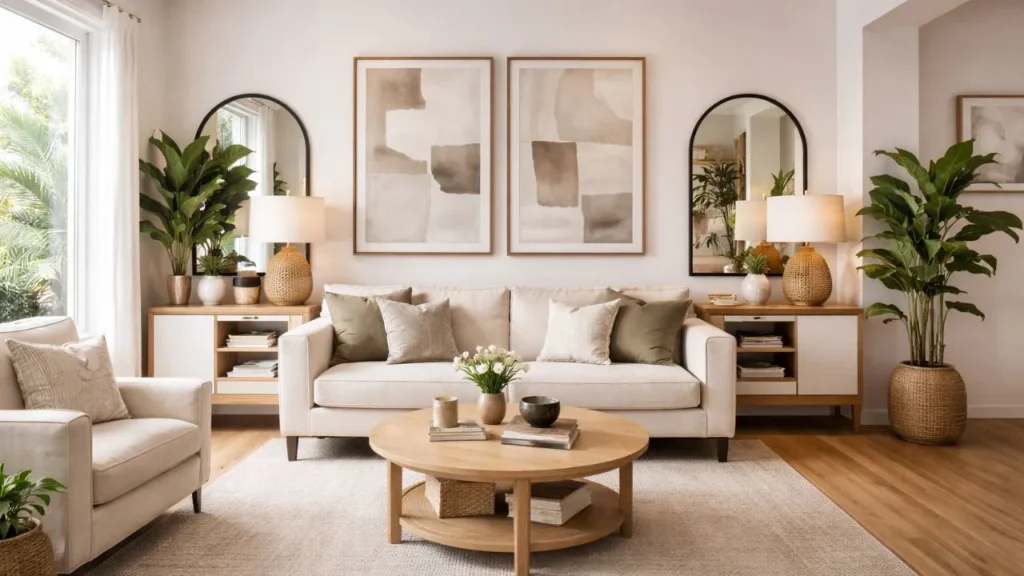
Creating balance in a small lounge room layout is similar to composing a photograph. Each element must contribute to the overall composition without dominating the frame. Designers often recommend starting with a central focal point such as a television, fireplace, or window. Once the focal point is identified, furniture can be arranged around it to establish visual harmony.
For example, placing a sofa facing the focal point while adding two lightweight chairs opposite creates a balanced seating arrangement. This layout allows conversation to flow naturally while maintaining clear sightlines. If the room is extremely small, a single sofa paired with a compact accent chair can still achieve the same effect.
Proportion also affects how spacious the room feels. Low furniture allows more wall space to remain visible, which visually expands the room. Similarly, glass or acrylic tables create the illusion of openness because they do not block the eye. Mirrors can also enhance proportion by reflecting light and making the room appear larger.
The goal is to design a layout where furniture complements the room rather than competing for attention. When balance and proportion work together, even a compact lounge room can feel elegant and comfortable.
Choosing Multi-Functional Furniture
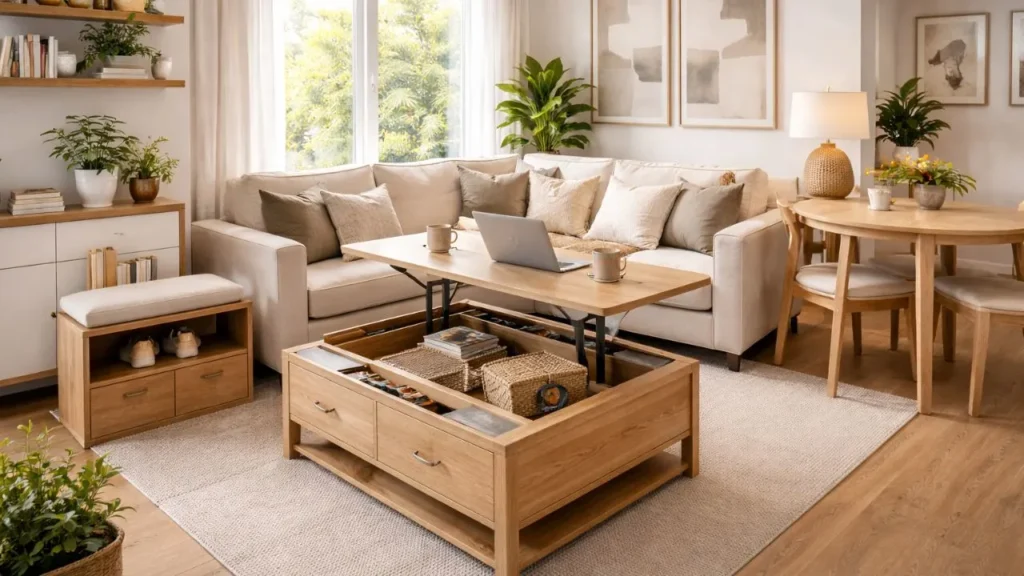
One of the smartest strategies for a small lounge room layout is investing in multi-functional furniture. These pieces serve multiple purposes while occupying minimal space. For example, a storage ottoman can function as a footrest, coffee table, and hidden storage unit all at once.
Sofa beds are another popular solution. They provide comfortable seating during the day and transform into sleeping space when needed. This makes them ideal for apartments or homes where the lounge room occasionally doubles as a guest room.
Nesting tables are also excellent for small spaces. They can be separated when extra surface area is needed and stacked together when not in use. Similarly, wall-mounted shelves provide storage without taking up floor space. By utilizing vertical areas of the room, homeowners can keep the floor uncluttered.
Multi-functional furniture not only improves practicality but also enhances the layout. Because each piece serves multiple roles, fewer items are needed overall. This results in a cleaner, more organized lounge room that feels larger than its actual dimensions.
Popular Small Lounge Room Layout Ideas
Choosing the right small lounge room layout depends on the shape of the room and how the space is used. While every home is unique, several layout styles consistently work well in compact living rooms. These layouts help maximize seating, improve traffic flow, and maintain a balanced appearance.
The most effective layouts prioritize open pathways and avoid blocking natural light sources such as windows or doors. Designers often recommend experimenting with furniture placement before committing to a final arrangement. Sometimes moving a sofa just a few inches or rotating a chair slightly can dramatically improve the flow of the room.
Another important factor is flexibility. Small lounge rooms benefit from layouts that can easily adapt to different situations. Whether hosting guests, watching movies, or simply relaxing after a long day, the room should remain comfortable and functional.
Comparison of Popular Small Lounge Room Layouts
| Layout Style | Best For | Key Advantage |
|---|---|---|
| Corner Sofa Layout | Square rooms | Maximizes seating |
| Floating Furniture Layout | Narrow rooms | Improves traffic flow |
| Symmetrical Layout | Balanced spaces | Creates visual harmony |
The Corner Sofa Layout
The corner sofa layout is one of the most popular choices for a small lounge room because it efficiently uses corner space that might otherwise go unused. By placing a sectional sofa against two adjacent walls, homeowners can create a comfortable seating area without occupying the center of the room.
This layout works particularly well in square rooms where symmetry is possible. The sofa naturally defines the seating zone while leaving the rest of the room open for movement. A compact coffee table or ottoman placed in front of the sofa completes the arrangement without overcrowding the space.
Corner sofas also provide more seating compared to traditional sofas. This makes them ideal for families or individuals who frequently entertain guests. When combined with light colors and minimal decor, the corner sofa layout can transform a small lounge room into a cozy yet spacious environment.
The Floating Furniture Layout
The floating furniture layout breaks the traditional rule of placing furniture directly against walls. Instead, the sofa or chairs are positioned slightly away from the walls, creating a more dynamic arrangement. This technique often makes a small lounge room feel more intentional and visually balanced.
Floating furniture allows for better traffic flow because walkways can be established around the seating area. For example, a sofa placed a few inches away from the wall with a slim console table behind it creates both functionality and style. This small adjustment can dramatically improve the layout without requiring additional space.
Another advantage of floating layouts is flexibility. Furniture can easily be rearranged depending on the activity taking place in the room. Whether hosting guests or enjoying a quiet evening, the layout adapts to the situation.
The Symmetrical Layout
A symmetrical small lounge room layout creates a sense of order and balance by mirroring furniture placement on both sides of the room. For instance, two chairs placed opposite a sofa with matching side tables can create a visually appealing arrangement.
Symmetry works particularly well in rooms with a clear focal point such as a fireplace or television. By aligning furniture around this focal point, the room feels organized and harmonious. Even in small spaces, symmetry can provide a sense of structure that makes the layout feel intentional rather than random.
Designing for Comfort and Traffic Flow
A successful small lounge room layout must allow people to move comfortably through the space without obstacles. Maintaining clear pathways ensures the room feels open and functional rather than cramped.
Experts recommend leaving enough space between furniture pieces to allow easy movement. Even small adjustments, such as repositioning a chair or replacing a bulky table with a slimmer design, can significantly improve traffic flow.
Comfort should never be sacrificed for style. A lounge room is meant to be a place where people relax, socialize, and unwind. When the layout prioritizes both comfort and accessibility, the room becomes a welcoming environment that people naturally enjoy spending time in.
Small Lounge Room Layout Mistakes to Avoid
Even with the best intentions, certain design choices can undermine a small lounge room layout. Oversized furniture remains the most common problem. Large pieces dominate the room and reduce usable floor space.
Another mistake involves ignoring vertical space. Walls provide valuable storage opportunities through shelves, cabinets, or wall-mounted lighting. Utilizing vertical storage keeps the floor area clear and improves the overall layout.
Poor lighting can also make a room feel smaller. Combining natural light with layered lighting sources such as floor lamps or wall sconces adds depth and warmth to the space. When these mistakes are avoided, the lounge room becomes more functional and visually appealing.
FAQs
1. What is the best layout for a small lounge room?
The best layout usually involves placing seating around a focal point while keeping clear walkways. Corner sofas or floating furniture layouts often work well in compact spaces.
2. How do you make a small lounge room look bigger?
Using light colors, mirrors, minimal furniture, and layered lighting can visually expand the space and create a more open feel.
3. Should furniture touch the walls in a small living room?
Not always. Slightly floating furniture away from walls can create a more balanced and spacious layout.
4. What type of sofa is best for small lounge rooms?
Compact sofas, loveseats, or sectional corner sofas are ideal because they maximize seating without occupying excessive space.
5. How important is lighting in a small lounge room layout?
Lighting is extremely important because it adds depth and warmth while preventing the room from appearing flat or cramped.
Conclusion
Designing an effective small lounge room layout is about creativity, balance, and smart planning. Instead of seeing limited space as a restriction, it can be viewed as an opportunity to create a highly efficient and stylish living area. By focusing on furniture scale, strategic placement, and multi-functional pieces, homeowners can transform even the smallest lounge room into a comfortable and inviting environment.
Thoughtful layouts improve not only the visual appeal of the room but also the way people interact with the space. When furniture placement supports movement, conversation, and relaxation, the room naturally becomes the heart of the home.

