

Decorating a compact kitchen can feel like solving a tricky puzzle. You want the space to look stylish and welcoming, yet you also need it to function efficiently for cooking and daily activities. Small kitchens often come with limited storage, narrow walkways, and restricted counter space. Without thoughtful design choices, the area can quickly feel cluttered or cramped. That is why decorating tips for small kitchens focus heavily on maximizing every inch of available space while maintaining visual harmony.
In many homes and apartments, the kitchen is the heart of daily life. It is where meals are prepared, conversations happen, and family members gather. When the kitchen is small, poor organization can make cooking stressful instead of enjoyable. According to interior design experts, compact kitchens benefit greatly from efficient layouts and clever storage techniques that minimize wasted space and improve workflow.
Think of a small kitchen like a well packed suitcase. If everything is arranged carefully, you can fit more items without creating chaos. The same principle applies when decorating small kitchens. Strategic decisions about color, storage, lighting, and layout can transform a tight space into a comfortable and visually appealing cooking area.
The good news is that small kitchens actually offer an advantage when decorating. Because the area is limited, every design decision has a stronger impact. With the right approach, even the tiniest kitchen can feel bright, organized, and surprisingly spacious.
The Benefits of Smart Kitchen Decor
Smart decorating does far more than improve the appearance of a small kitchen. It also enhances functionality and everyday comfort. When space is used efficiently, cooking becomes smoother and more enjoyable. Instead of constantly searching for utensils or clearing cluttered counters, everything has a designated place.
One of the biggest benefits of thoughtful kitchen decor is improved organization. Vertical storage solutions, hidden compartments, and multi functional furniture help keep items neatly stored while freeing up valuable work surfaces. Designers often recommend maximizing wall space with shelves or cabinets that extend toward the ceiling. This strategy creates additional storage without increasing the footprint of the kitchen.
Another advantage is improved visual flow. Small kitchens can feel confined if the design is heavy or overcrowded. By choosing lighter colors, reflective surfaces, and minimal decorations, homeowners can create the illusion of a larger space. Even small details such as cabinet handles, lighting fixtures, or backsplash materials can influence how spacious the room feels.
Finally, well designed kitchens contribute to the overall value of a home. Potential buyers and renters often pay close attention to kitchen functionality. A compact but well decorated kitchen sends a clear message that the space has been thoughtfully planned. With the right decorating tips for small kitchens, you can create a space that feels both practical and beautiful.
Choosing the Right Color Palette
Light Colors That Make Small Kitchens Look Bigger
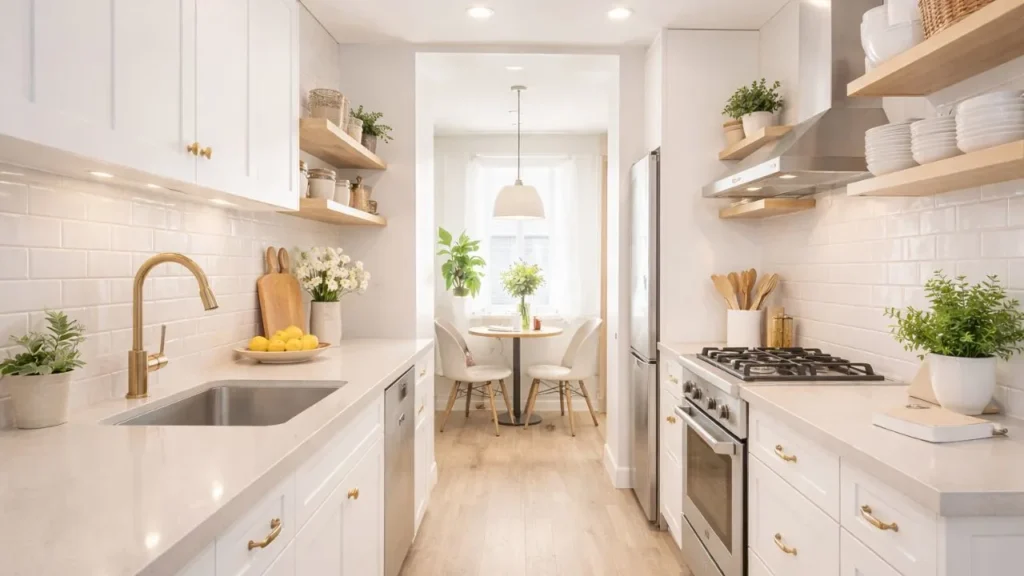
Color plays a powerful role in shaping how a room feels. In small kitchens, the right color palette can visually expand the space and make it feel more open. Designers frequently recommend lighter shades such as white, cream, pastel tones, and soft neutrals. These colors reflect natural light and create a brighter environment that feels airy rather than cramped.
Light colors work like mirrors for natural and artificial light. When sunlight enters the kitchen, pale surfaces bounce that light around the room, reducing shadows and creating a sense of openness. Even if your kitchen does not have large windows, lighter shades can still help maximize available light.
Another advantage of using light colors is versatility. Neutral palettes pair well with almost any material or accent color. Whether you prefer modern stainless steel appliances, rustic wooden cabinets, or colorful dishware, a light base color keeps the space balanced.
Many interior designers also recommend subtle variations of the same color throughout the kitchen. For example, you might use soft white walls, off white cabinets, and a slightly darker countertop. This layered approach adds depth without creating harsh visual contrasts that can make the room feel smaller.
That does not mean you must avoid bold colors entirely. Strategic use of deeper tones on a backsplash, accent wall, or decorative items can create personality while still maintaining the spacious feeling created by lighter shades.
Using Accent Colors Without Overcrowding
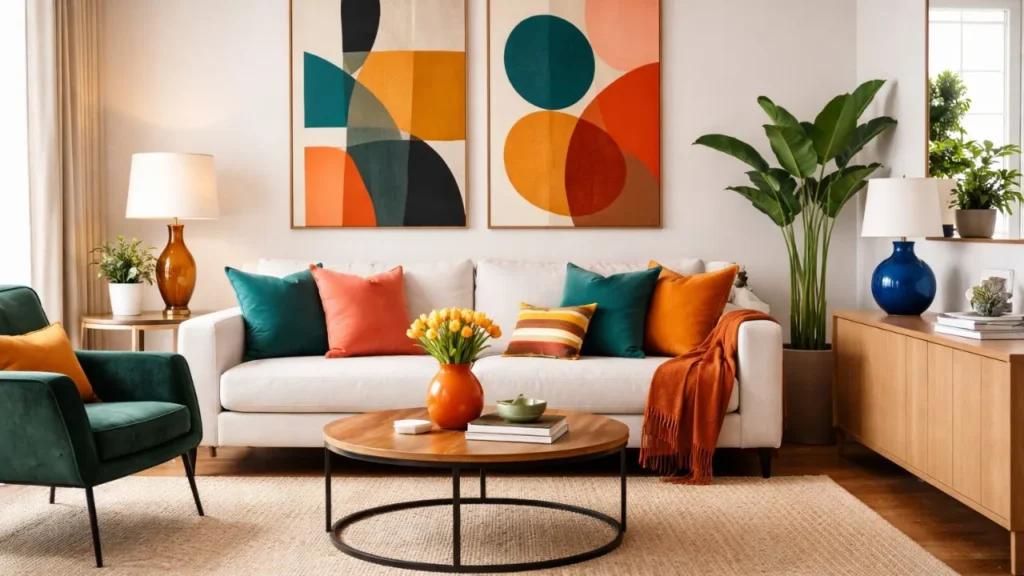
While light colors are ideal for small kitchens, adding accent colors can give the space character and warmth. The key is moderation. Too many strong colors can overwhelm a compact kitchen and make it appear cluttered.
One effective approach is to use accent colors through accessories. Items such as bar stools, kitchen towels, planters, and small appliances can introduce vibrant hues without permanently altering the design. Because these elements are easy to change, they allow homeowners to refresh the kitchen style whenever they want.
Another clever method is to highlight specific features of the kitchen. For instance, painting the inside of open shelves a contrasting color can create visual interest while maintaining a cohesive look. Similarly, a colorful backsplash can become a focal point that draws attention away from the limited size of the room.
Interior designers often suggest sticking to two or three colors at most. This limited palette keeps the design consistent and prevents the kitchen from looking chaotic. Think of it like composing a simple but elegant outfit. When the colors complement each other, the overall style feels intentional and polished
Smart Storage Solutions
Vertical Storage Ideas
Storage is often the biggest challenge in a small kitchen. Limited cabinets and drawers can quickly lead to cluttered counters and overflowing cupboards. One of the most effective decorating tips for small kitchens is to use vertical storage solutions that take advantage of unused wall space.
Tall cabinets that extend to the ceiling are particularly useful. They provide additional storage for rarely used items while keeping the kitchen visually organized. Designers often recommend this approach because it maximizes space without requiring additional floor area.
Wall mounted racks and shelves are another excellent solution. Hanging utensils, pots, or cutting boards on the wall keeps them within easy reach while freeing up cabinet space. Magnetic knife strips are especially popular because they store knives safely while adding a modern touch to the kitchen.
Pegboards are also gaining popularity in compact kitchens. These versatile boards allow homeowners to customize storage arrangements with hooks, baskets, and shelves. Because the layout can be changed easily, pegboards adapt to different storage needs over time.
Vertical storage does more than save space. It also improves efficiency. When frequently used tools are visible and accessible, cooking becomes faster and more enjoyable.
Hidden and Built In Storage Options
In addition to vertical storage, hidden storage solutions can dramatically improve the functionality of a small kitchen. These clever features keep items out of sight while maximizing available space.
Pull out cabinets are one of the most effective options. These narrow drawers can store spices, canned goods, or cooking oils in an organized manner. Because they slide out completely, it becomes much easier to find ingredients without rummaging through crowded shelves.
Corner cabinets are another area where hidden storage can shine. Instead of leaving awkward corners unused, rotating shelves or pull out organizers can transform these spaces into valuable storage areas.
Built in organizers for drawers and cabinets also make a huge difference. Dividers for utensils, trays for baking sheets, and racks for lids help maintain order in tight spaces. When every item has its own designated spot, the kitchen stays tidy even during busy cooking sessions.
These hidden storage solutions show that smart design can turn even the smallest kitchen into a highly functional space.
Maximizing Counter Space
Decluttering Strategies
Counter space is one of the most valuable assets in any kitchen, especially small ones. When countertops are overcrowded with appliances, containers, and decorations, the kitchen quickly feels cramped. A key principle of decorating tips for small kitchens is maintaining clean and clutter free surfaces.
One simple strategy is to store appliances in cabinets when they are not being used. Items such as blenders, food processors, and mixers often take up significant counter space. By storing them away, you instantly create more room for meal preparation.
Another useful technique is the clean as you go approach. Instead of letting dishes and utensils pile up while cooking, wash or organize them during the process. This habit keeps the workspace manageable and prevents overwhelming messes.
Homeowners can also use decorative storage containers to keep frequently used ingredients organized. Matching jars for flour, sugar, or spices not only save space but also create a cohesive visual appearance. When counters are tidy, the entire kitchen feels larger and more inviting.
Multi Functional Kitchen Furniture
In small kitchens, furniture and fixtures that serve multiple purposes are incredibly valuable. Multi functional elements allow homeowners to maximize space while maintaining flexibility.
Kitchen islands with built in storage are a great example. Even a small island can provide additional counter space, cabinets, and sometimes seating. This makes it a practical centerpiece for compact kitchens.
Foldable or extendable tables are another clever solution. These tables can be expanded when needed for dining or food preparation and folded away afterward to free up space.
Some kitchens also incorporate pull out cutting boards that slide out from beneath the countertop. These hidden surfaces provide additional workspace without permanently occupying room.
The concept behind multi functional furniture is simple. Every piece should serve more than one purpose. By choosing versatile furniture, homeowners can make the most of limited square footage while maintaining a stylish design.
Lighting Tricks That Transform Small Kitchens
Natural Lighting Tips
Lighting has a huge impact on how a kitchen looks and feels. In small spaces, proper lighting can create the illusion of depth and openness. Natural light is especially powerful because it brightens the room and enhances color tones.
If your kitchen has windows, avoid heavy curtains or dark blinds that block sunlight. Instead, choose sheer curtains or minimal window treatments that allow light to flow freely. Even small windows can make a big difference when the light is unobstructed.
Reflective surfaces such as glossy tiles, stainless steel appliances, and glass cabinets can also help amplify natural light. These materials bounce light around the room, making the kitchen appear brighter and more spacious.
Sometimes, structural changes such as installing a skylight or glass door can dramatically improve lighting conditions. While these renovations may require investment, they can transform a small kitchen into a vibrant and welcoming space.
Layered Artificial Lighting
When natural light is limited, artificial lighting becomes essential. Experts often recommend a layered lighting approach that combines different types of lights for both function and ambiance.
Task lighting is particularly important in kitchens. Under cabinet lights illuminate countertops and make food preparation safer and easier. Pendant lights above islands or dining areas can also add style while providing focused illumination.
Ambient lighting fills the entire room with soft, even light. Ceiling fixtures or recessed lights often serve this purpose. Finally, accent lighting highlights decorative elements such as open shelves or artwork.
Lighting not only improves functionality but also influences mood. Warm, well balanced lighting can transform a small kitchen into a cozy and inviting environment where cooking becomes a pleasure.
Layout Ideas for Small Kitchens
Galley and L Shaped Kitchen Layouts
Layout plays a crucial role in determining how efficiently a small kitchen functions. Two of the most common layouts for compact kitchens are the galley and L shaped designs.
Galley kitchens consist of two parallel counters with a walkway in between. This layout is extremely efficient because it keeps all essential appliances and work areas within close reach. Many professional kitchens use this design because it allows cooks to move quickly between stations.
L shaped kitchens, on the other hand, utilize two adjacent walls to form a corner workspace. This design opens up the center of the room and can make the kitchen feel more spacious. It also allows for the addition of a small dining table or island if space permits.
Both layouts focus on maximizing functionality while minimizing wasted space. The choice between them often depends on the overall shape and dimensions of the kitchen.
Understanding the Kitchen Work Triangle
One of the most important concepts in kitchen design is the kitchen work triangle. This principle connects the three main work areas in a kitchen: the sink, the stove, and the refrigerator. The idea is to position these elements so that movement between them is efficient and comfortable.
When the work triangle is balanced, cooking becomes smoother and more enjoyable. The cook can move easily between preparation, cooking, and cleaning areas without unnecessary steps. In small kitchens, this efficiency is especially valuable because space is limited.
Although modern kitchens sometimes adapt or modify this concept, the work triangle remains a helpful guideline. By arranging appliances thoughtfully, homeowners can create a kitchen that feels organized and intuitive to use.
Decorative Elements That Enhance Small Kitchens
Mirrors and Reflective Surfaces
Mirrors are not commonly associated with kitchens, but they can be surprisingly effective in small spaces. Just like in living rooms or bedrooms, mirrors reflect light and create the illusion of depth.
A mirrored backsplash, for example, can dramatically brighten a small kitchen. It reflects both natural and artificial light, making the room appear larger. Glass cabinet doors also produce a similar effect by reducing visual heaviness.
Reflective materials such as stainless steel and polished tiles add a modern touch while enhancing brightness. These surfaces act like tiny mirrors that scatter light throughout the room.
The trick is to use reflective elements strategically. Too many shiny surfaces can feel overwhelming. A balanced mix of textures and finishes creates a stylish yet comfortable atmosphere.
Stylish Open Shelving
Open shelving has become a popular design trend in recent years, especially for small kitchens. Unlike traditional cabinets, open shelves create a sense of openness and make the room feel less crowded.
Displaying attractive dishware, jars, and decorative items on open shelves can also add personality to the kitchen. It transforms everyday objects into part of the decor.
However, organization is key when using open shelves. Because everything is visible, clutter can quickly ruin the aesthetic. Keeping items neatly arranged ensures that the shelves enhance rather than overwhelm the design.
Common Decorating Mistakes to Avoid
Overcrowding the Space
One of the most common mistakes when decorating small kitchens is trying to include too many design elements. Excessive decorations, bulky furniture, and oversized appliances can quickly overwhelm the limited space.
Instead of filling every corner with decor, focus on a few carefully chosen elements. Simplicity often creates a more elegant and spacious appearance.
Ignoring Vertical Space
Another frequent mistake is neglecting vertical space. Walls offer valuable storage opportunities that many homeowners overlook. Installing shelves, racks, or tall cabinets can dramatically increase storage capacity without affecting floor space.
By thinking vertically, homeowners can transform unused walls into functional design features.
FAQs
1. What colors work best for small kitchens
Light shades such as white, cream, soft gray, and pastel colors are ideal because they reflect light and make the space feel larger.
2. How can I create more storage in a small kitchen
Use vertical cabinets, wall shelves, pull out drawers, and hanging racks to maximize storage without taking up additional floor space.
3. Are open shelves suitable for small kitchens
Yes, open shelves can make a kitchen feel more spacious and allow easy access to frequently used items when kept organized.
4. What type of lighting is best for small kitchens
A layered lighting approach works best, combining ambient ceiling lights, task lighting under cabinets, and decorative accent lights.
5. How do I keep a small kitchen from looking cluttered
Keep countertops clear, store appliances in cabinets, use matching containers for ingredients, and limit decorative items.
Conclusion
Small kitchens may present design challenges, but they also offer opportunities for creativity and efficiency. With the right decorating strategies, even the tiniest kitchen can feel stylish, organized, and comfortable. From choosing light color palettes to implementing smart storage solutions, every design decision contributes to maximizing space and improving functionality.
Thoughtful lighting, efficient layouts, and multi functional furniture further enhance the kitchen’s usability. When combined with simple decorative touches such as open shelving and reflective surfaces, these elements create a space that feels both practical and visually appealing.
Ultimately, decorating tips for small kitchens are all about balance. By blending aesthetics with functionality, homeowners can transform compact kitchens into beautiful spaces that support everyday living.

