

You need to start your Plumeria Tree today before the planting season ends. Missing the right window means waiting another full year for those iconic tropical blooms. Most gardeners fail because they wait too long to prep their soil. You can avoid this frustration by following a proven path to success.
Imagine walking into your backyard and smelling that sweet perfume every morning. This guide shows you exactly how to achieve that tropical dream right at home. We will cover everything from soil selection to winter protection. You will learn the secrets of professional growers in just a few minutes.
Understanding Different Plumeria Trees
Choosing the right variety is the first step toward a beautiful garden. Many people start with a pink plumeria tree because of the vibrant color. The pink plumeria tree is known for its hardy nature and deep fragrance. Others prefer a yellow plumeria tree for a classic Hawaiian look. A yellow plumeria tree often has a scent reminiscent of citrus or jasmine. You should look at how plumeria trees fit into your local climate. Most plumeria trees love heat and humidity.
If you have limited space you might consider a plumeria bonsai tree. A plumeria bonsai tree allows you to enjoy the flowers on a much smaller scale. You can keep a plumeria bonsai tree on a sunny patio table. These plumeria trees are versatile and adapt well to various containers. Selecting a pink plumeria tree or a yellow plumeria tree depends on your personal style. Both types of plumeria trees will reward you with stunning clusters of flowers. Ensure you buy from a reputable nursery to get a healthy start.
The Essential Guide to Plumeria Tree Care
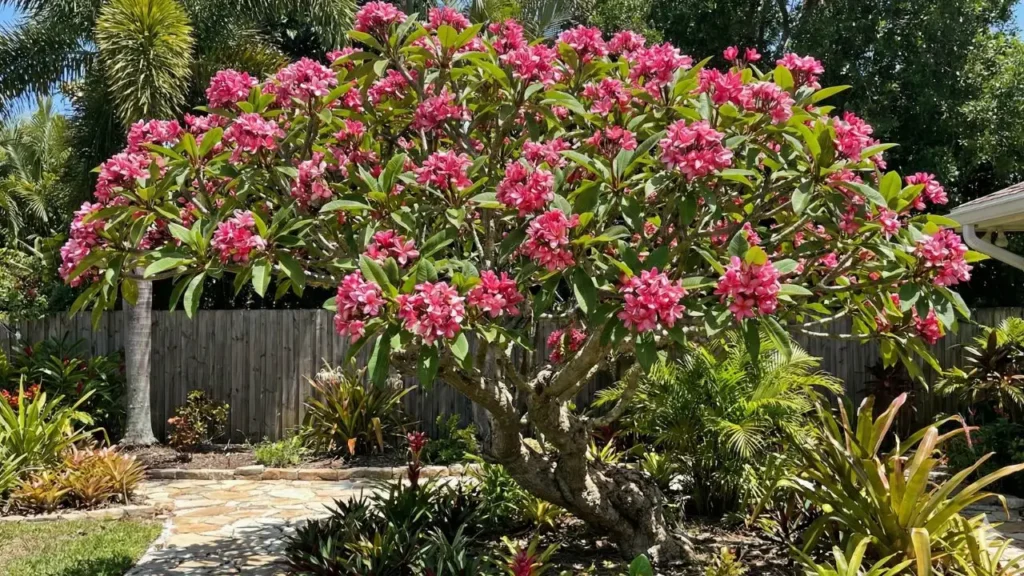
Success depends heavily on consistent plumeria tree care throughout the year. Your Plumeria Tree needs at least six hours of direct sunlight every day. Without enough light the plant will grow leggy and stop blooming. High quality soil is another pillar of plumeria tree care. Use a well draining mix to prevent root rot. You should avoid heavy garden soils that hold too much moisture.
Proper watering is a critical part of how you care for plumeria tree specimens. Only water when the top inch of soil feels dry to the touch. Overwatering is the fastest way to kill these tropical beauties. You must adjust your plumeria tree care routine as the seasons change. During the summer heat you will water more frequently. In the winter months you must stop watering almost entirely. This dormant period is vital for the health of the plant. Learning how to care for plumeria tree roots will ensure a long life for your garden.
How to Manage a Potted Plumeria Tree
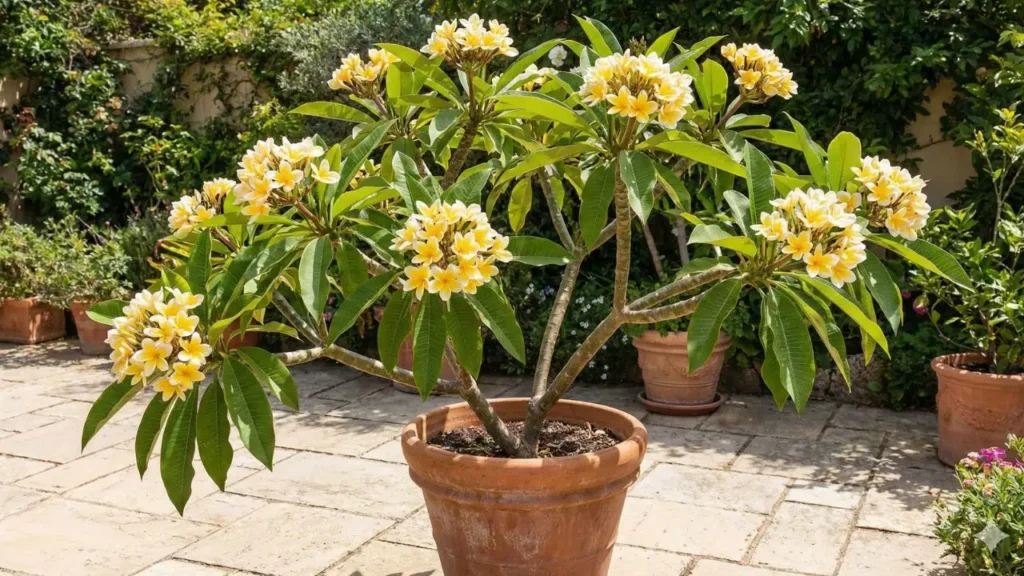
Not everyone has the space for a massive garden bed. A potted plumeria tree is the perfect solution for apartment dwellers or those with small patios. You can move a potted plumeria tree to follow the sun during the day. This flexibility makes a potted plumeria tree very popular in northern climates. Use a heavy pot so the wind does not knock it over easily. Terracotta is a great choice because it lets the roots breathe.
A potted plumeria tree requires more frequent fertilizing than one in the ground. Use a high phosphorus fertilizer to encourage big blooms. You should repot your potted plumeria tree every two years. This prevents the plant from becoming root bound and stagnant. Fresh soil provides new nutrients for the coming season. You will notice the difference in leaf size and flower production. Managing a potted plumeria tree is rewarding and manageable for any skill level.
Growing a Plumeria Tree Florida Style
Growing a plumeria tree florida style is much easier due to the natural humidity. The weather in the sunshine state mimics the native tropical environment perfectly. You will see a plumeria tree florida landscape in almost every coastal neighborhood. The heat helps the pink plumeria tree reach its full potential quickly. You do not have to worry about frost in the southern parts of the state.
If you live in central or northern regions a plumeria tree florida winter can still be tricky. You must protect the trunks from rare freezes using burlap or frost blankets. A plumeria tree florida grower often uses organic mulch to keep the soil warm. This helps the yellow plumeria tree stay healthy during the cooler nights. The sandy soil found in many areas is actually great for drainage. Just make sure to add some compost to provide necessary minerals.
Styling a Plumeria Bonsai Tree
Creating a plumeria bonsai tree is an art form that requires patience. You start with a small cutting and prune it carefully over several years. A plumeria bonsai tree needs a shallow pot to restrict root growth. This keeps the overall size of the plumeria bonsai tree small. You can still expect flowers even on these miniature versions. It is a great way to showcase a pink plumeria tree in a small indoor space.
You must be very careful when you care for plumeria tree varieties in bonsai form. Small pots dry out much faster than the ground. Check your plumeria bonsai tree every morning for moisture levels. You will need to wire the branches to get that classic twisted look. This technique makes your plumeria bonsai tree look like a miniature ancient specimen. It is a conversation starter for any guest who visits your home.
Reaching the Stage of a Full Grown Plumeria Tree
Watching your plant become a full grown plumeria tree is a proud moment. A fully grown plumeria tree can reach heights of twenty feet or more. You need to provide plenty of space for a full-grown plumeria tree to spread its branches. The canopy of a full grown plumeria tree provides wonderful shade. You will see hundreds of flowers blooming at once on a mature plant.
To reach the status of a full grown plumeria tree you must be consistent with nutrients. Yearly pruning helps maintain the shape and strength of the wood. A full grown plumeria tree is much more resistant to pests and diseases. The thick trunk stores water and energy for the dry season. You will find that a yellow plumeria tree looks magnificent as a focal point in the yard. Proper care for plumeria tree health ensures the tree lives for decades.
Troubleshooting Common Growth Issues
Even with the best intentions you might face some challenges. Yellowing leaves often mean you are overwatering your plant. If you see tiny webs it might be spider mites attacking your plumeria trees. You can use neem oil to keep your plumeria trees safe from insects. Black tip fungus is another issue that affects plumeria trees in damp weather. Cut away any diseased parts of the plumeria trees immediately.
Consistency is the best defense against all these problems. When you care for plumeria tree health you should inspect the leaves weekly. Catching a problem early saves the entire branch from dying. Make sure your plumeria trees get enough airflow between the branches. Crowded plants are more likely to develop mold and rot. Keeping the area clean of fallen leaves also helps.
Frequently Asked Questions
What is the best fertilizer for my plant?
You should use a fertilizer with a high middle number. Phosphorus is the key to getting your plant to bloom. Apply it every three weeks during the growing season.
How do I survive the winter?
If you live in a cold area you must bring the plant inside. Let the leaves fall off and store it in a garage or basement. Do not water it until the spring arrives.
Can I grow one from a cutting?
Yes you can easily grow a new plant from a branch cutting. Let the cut end dry for a week before planting it in soil. It will grow roots in about six weeks.
How fast do they grow?
They typically grow about twelve to eighteen inches per year. This depends on the amount of light and food they receive.
Final Thoughts
Starting your journey with a Plumeria Tree is a decision you will not regret. These plants offer a unique beauty that few other species can match. Whether you choose a pink plumeria tree or a yellow plumeria tree the results are stunning. You can find success with a potted plumeria tree on a balcony or a full grown plumeria tree in a large yard. The process of plumeria tree care is a relaxing hobby that pays off in fragrance.
Take the time to understand what your plant needs each season. Respect the dormancy period and maximize the summer sun. Your efforts will result in a healthy and vibrant garden. You now have the knowledge to grow a plumeria tree florida style or even a plumeria bonsai tree. Start today and enjoy the tropical vibes for years to come.

